
-
Regular price £169.99 GBPRegular price
£63.78 GBPSale price £169.99 GBP -
Regular price £59.99 GBPSale price £59.99 GBP
-
Regular price £189.99 GBPSale price £189.99 GBP
-
Regular price £199.99 GBPRegular price
£89.02 GBPSale price £199.99 GBP -
Regular price £124.99 GBPRegular price
£10.64 GBPSale price £124.99 GBP -
Regular price £99.99 GBPRegular price
£22.47 GBPSale price £99.99 GBP -
Regular price £134.99 GBPRegular price
£51.98 GBPSale price £134.99 GBP -
Regular price £84.99 GBPSale price £84.99 GBP
-
Regular price £199.99 GBPRegular price
£80.93 GBPSale price £199.99 GBP -
Regular price £199.99 GBPRegular price
£68.43 GBPSale price £199.99 GBP -
Regular price £114.99 GBPRegular price
£46.69 GBPSale price £114.99 GBP -
Regular price £84.99 GBPSale price £84.99 GBP
-
Regular price £144.99 GBPRegular price
£14.88 GBPSale price £144.99 GBP -
Regular price £49.99 GBPRegular price
£7.90 GBPSale price £49.99 GBP -
Regular price £164.99 GBPRegular price
£21.05 GBPSale price £164.99 GBP -
Regular price £49.99 GBPRegular price
£15.97 GBPSale price £49.99 GBP

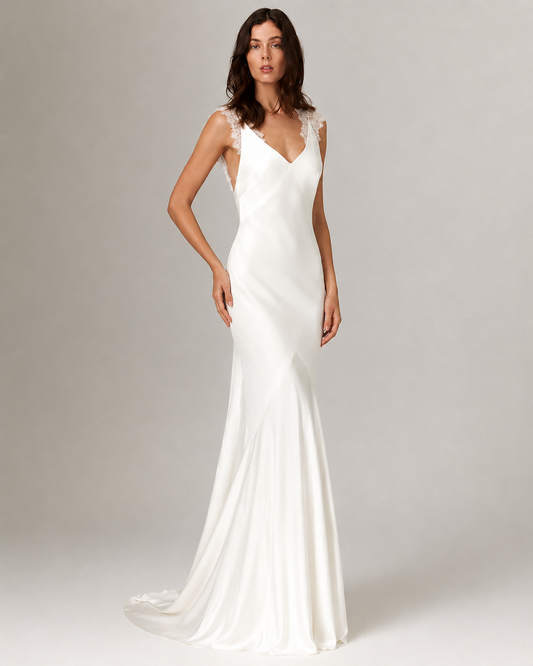

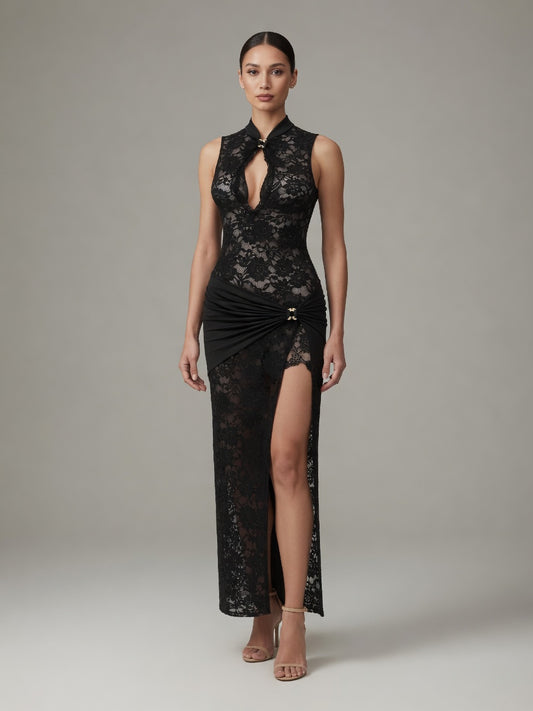

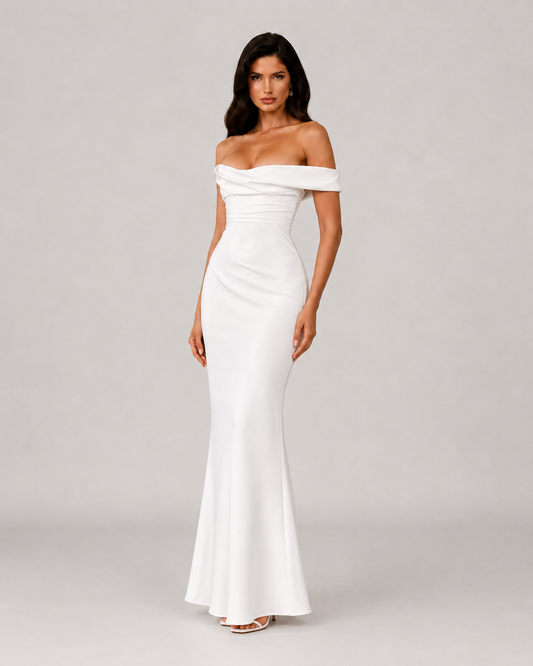

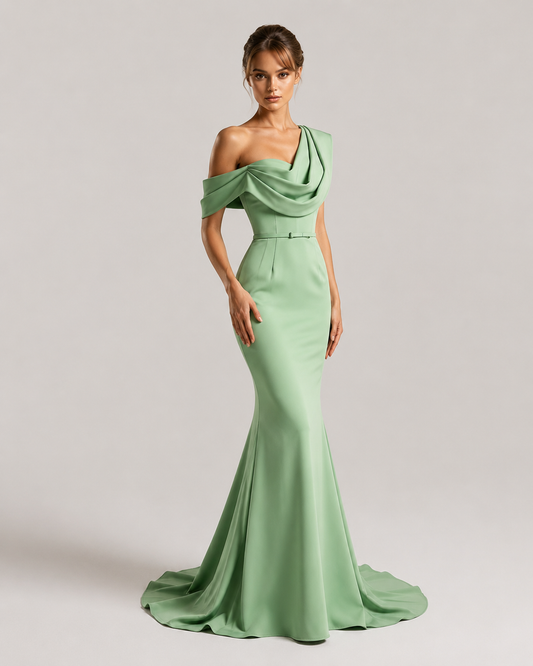

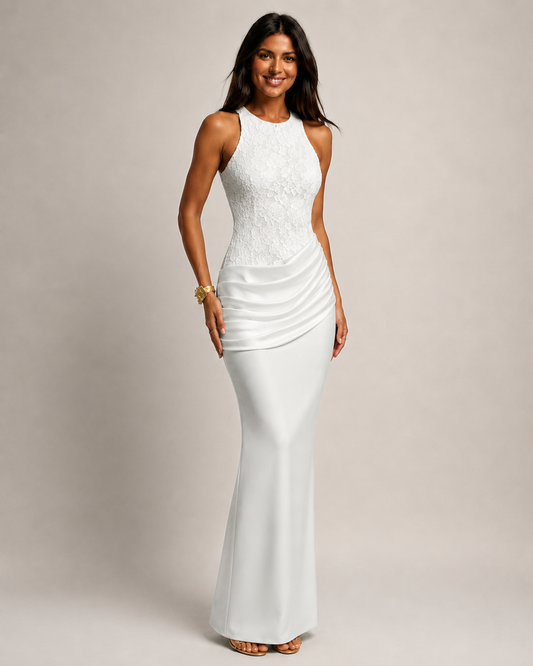

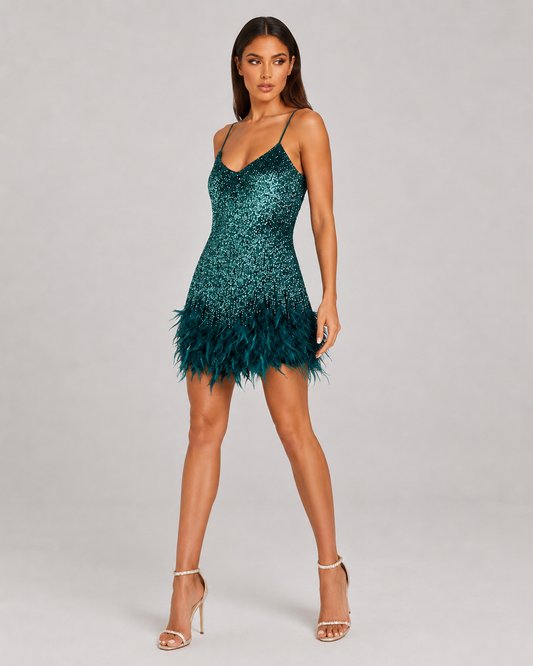

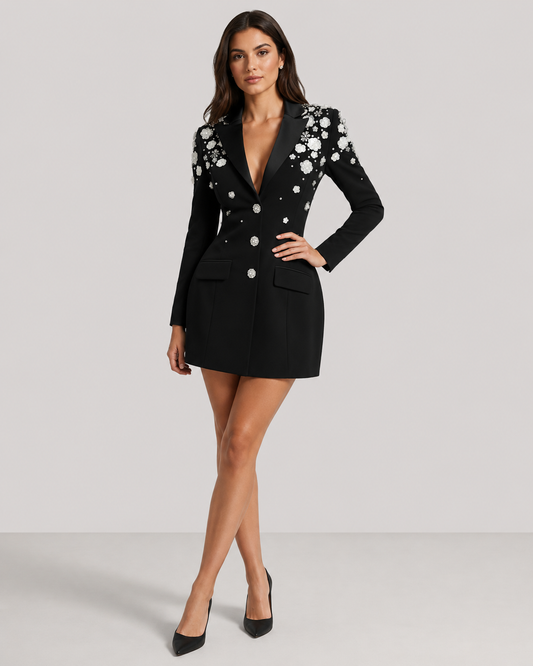

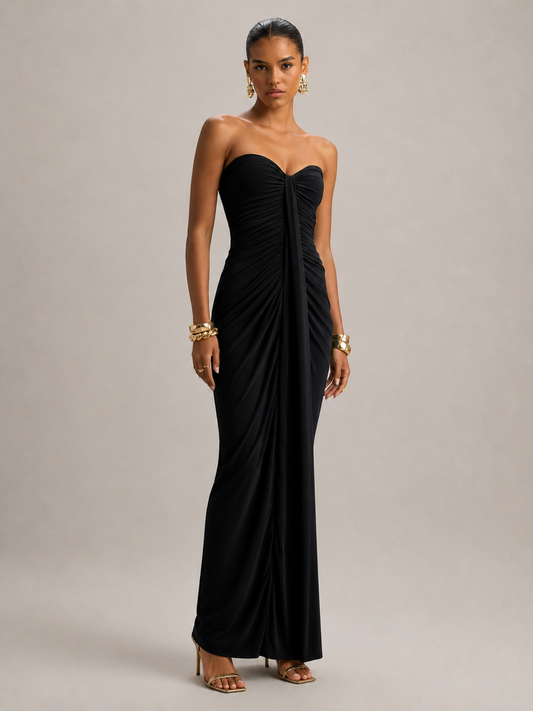

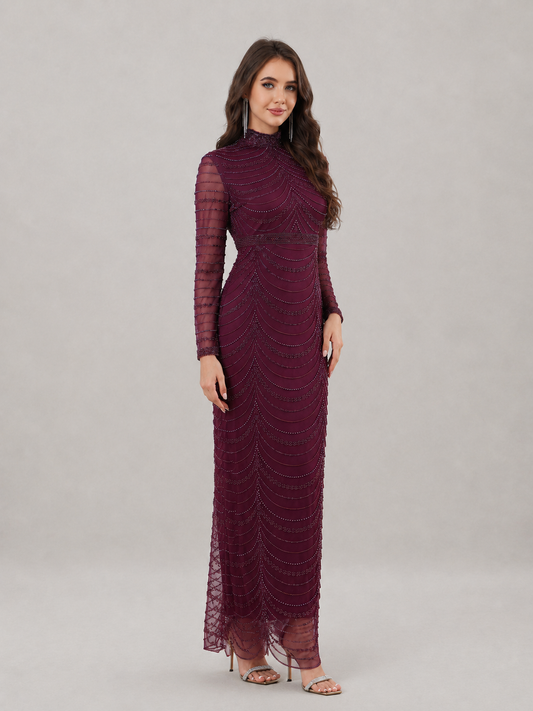

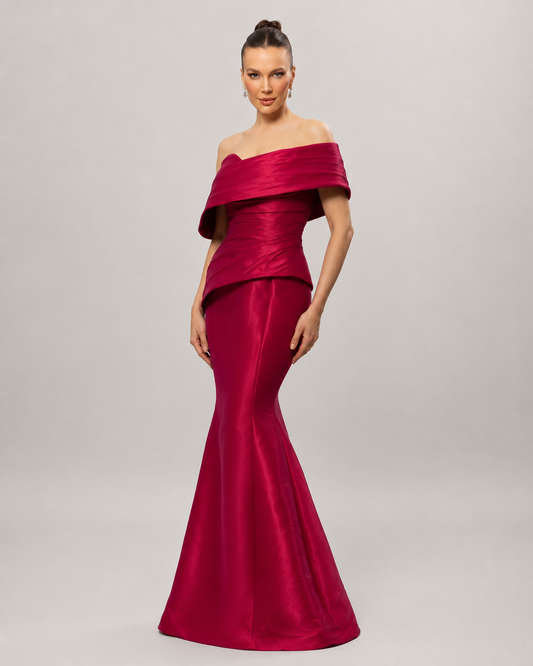
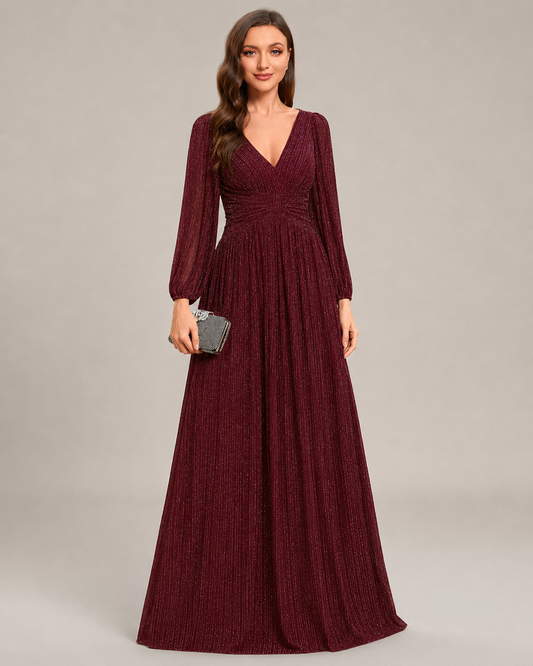
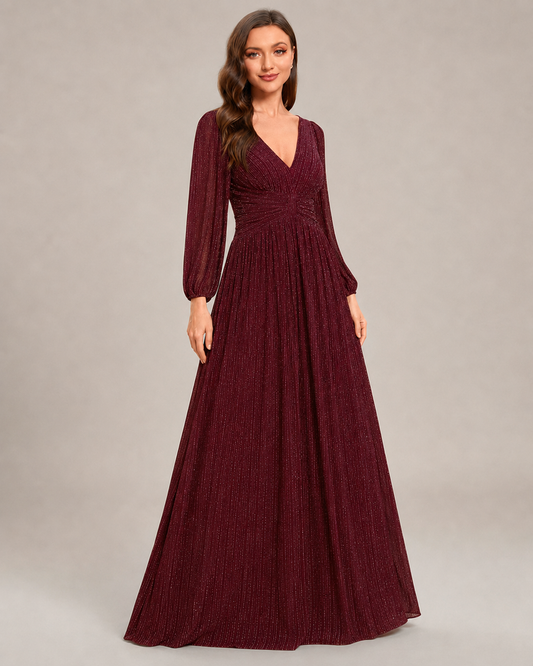

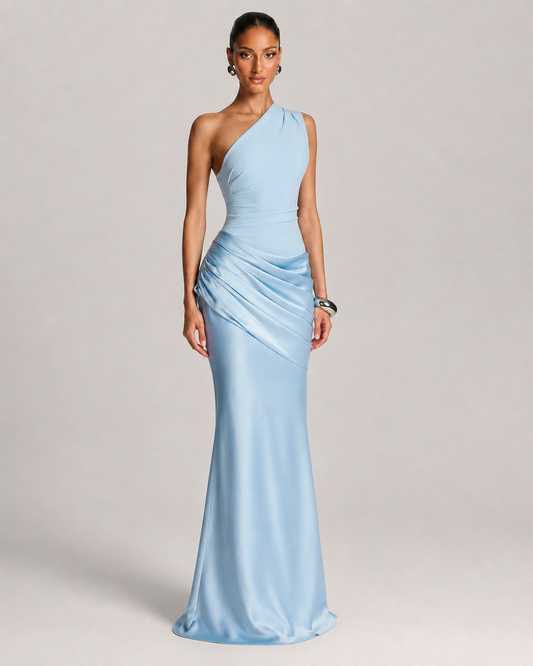

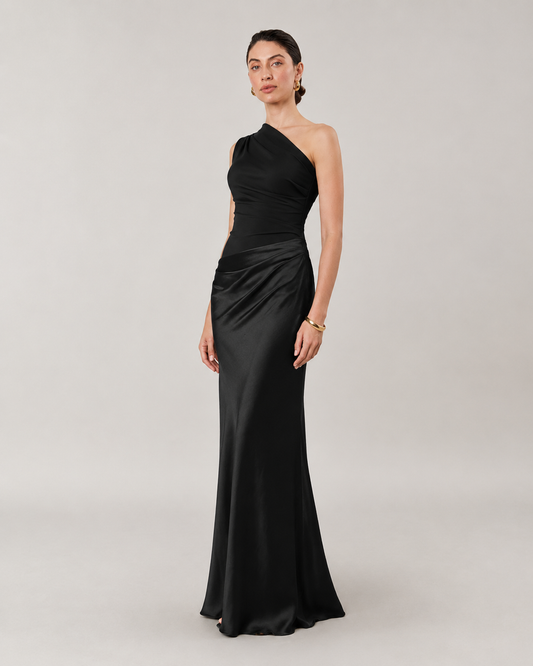

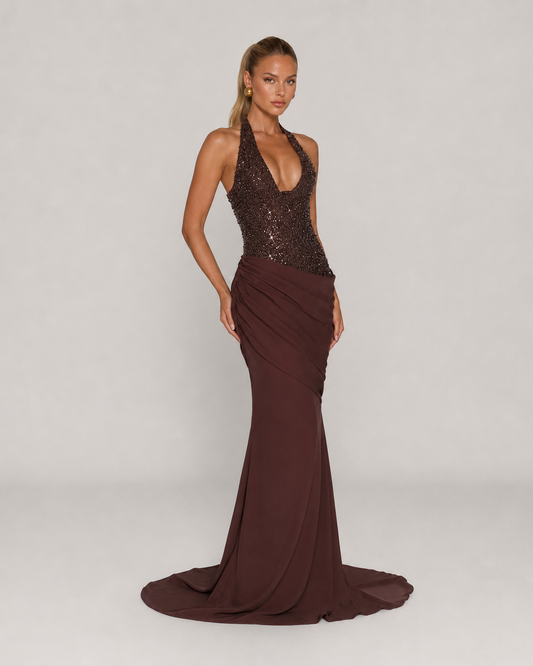

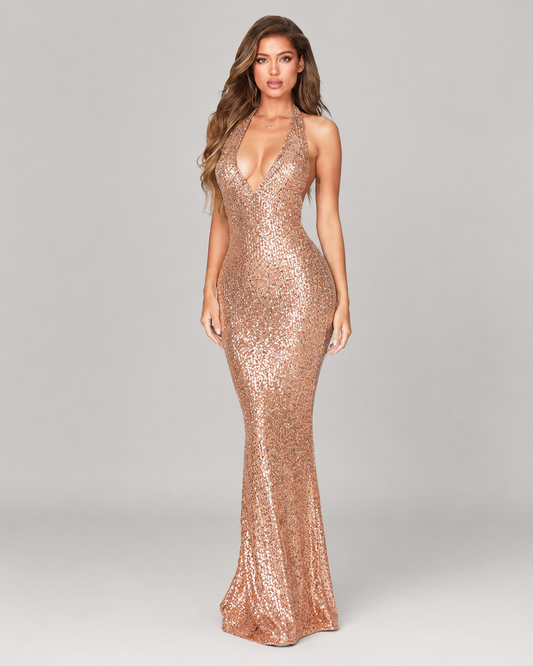


Evening dresses are judged in the worst possible lighting, from every angle, in photographs you did not know were being taken. This edit is built for that: fifty-seven floor-length and midi styles in satin, chiffon, lace and embellishment, cut to hold their line through a long night. UK sizes 6 to 26 and letter sizes XS to XXXL, with free UK delivery and free 14-day returns.
What black tie actually means
If the invitation says black tie, it means floor-length. A midi is acceptable at a modern black-tie event but will read as the safer, quieter choice, and at a traditional one it will read as underdressed. If it says black tie optional or cocktail, a midi is entirely right and often better.
Beyond the length, black tie asks for fabric with weight and a colour with depth. Satin, velvet-adjacent finishes, lace and beading all work. What does not work is anything that looks like it could be worn to an office, however expensive it was.
The other thing nobody tells you: black tie events involve a great deal of sitting. A dress that photographs beautifully standing and cuts into you seated is a dress you will spend the evening thinking about. Our ruched and A-line styles are the ones to look at if you are going to be at a table for three hours.
Black, and the case for everything else
A black evening dress is the safest formal purchase there is, and sixteen of these styles are black. It photographs cleanly under any lighting, it does not date, and it is the one occasion dress most people wear more than twice. If you own only one, own this.
But black is also what everyone else in the room is wearing. If you want to be remembered rather than merely correct, the depth colours do it without shouting: emerald and sage green, which run to nine styles here, deep burgundy, navy, and the champagne and beige tones that read expensive under warm light. Red is the boldest option in this edit and works best in a clean, unfussy cut — a red evening dress with too much detail tips quickly.
Gowns, and the difference that matters
People search for evening gowns and ball gown dresses interchangeably, but they are not the same shape. A ball gown is fitted through the bodice and full from the waist — the most formal silhouette, and the least practical in a crowded room. A mermaid gown follows the body to the knee then flares, which is what most of this edit does. A column or sheath falls straight and is the easiest to wear and to travel with.
For a first formal dress, a mermaid or column in satin will serve more occasions than a ball gown will. Ball gowns are wonderful and specific; they do not do double duty.
Details worth paying attention to
- Backless and open-back — nineteen styles. Puts the detail where the photographer stands during speeches, but check the bra situation before the day rather than on it. Several have a built-in bra.
- One-shoulder and halter — twenty-two styles between them. Structure at the top without covering the arms.
- Embellished and sequin — eighteen styles. Beading catches light beautifully in a dim room and looks heavy in daylight, so match this to an evening event rather than an afternoon one.
- Slits and cut-outs — useful for movement as much as effect. A floor-length dress with no slit is harder to walk and dance in than people expect.
Sizing a formal dress
This is where formal dresses go wrong most often, because a fitted evening dress has nowhere to hide a bad size. Our styles run UK 6 to UK 26 including the wider W fittings, and XS to XXXL in the letter sizes — full measurements in centimetres on the size guide.
Our dresses are true to size. Between two sizes, take the larger in satin, which has the least give of anything here. For a mermaid cut, order to your hip measurement, not your dress size — this is the single most common sizing mistake on formal wear. For a column or A-line, order to the bust.
If you are looking for a plus size evening dress, the ruched satin styles are the strongest here: the ruching smooths rather than clings, and the numeric styles run to UK 26 in the same colours as the smaller sizes. Take the extra minute to measure properly rather than ordering your usual size — formal fabric is far less forgiving than everyday jersey.
Ordering for an event
Order three to four weeks out. Formal dresses need alterations more often than any other kind, and a good local alterations shop needs a week and rarely charges much for a hem or a nip at the waist. That week is the difference between a dress that fits and a dress that nearly fits.
UK delivery is free on every order with no minimum spend, and takes around seven working days. Returns are free within 14 days with a prepaid label in the box, so ordering two sizes and returning one costs you nothing.
Where to look next
For weddings specifically, wedding guest dresses and bridesmaid dresses narrow the brief. For parties rather than formal events, party dresses and sequin dresses are the right register. To browse purely by length, start with maxi dresses.